What Does "Khashoka" Mean?
Explains that Khashoka is the everyday word for spoon in Jordan, Turkish-rooted (from kaşık), pronounced /kha·shoo·ka/, and that the name encodes the restaurant's philosophy of communal, generous eating.
What does "Khashoka" mean?
خاشوكة (Khashoka) is the everyday word for spoon used in Jordan. Specifically, it refers to the wide communal serving spoon that moves food from a shared platter to the table. The word is Turkish-rooted, coming from kaşık, and it passed into everyday Jordanian Arabic the way many such words did. Pronunciation: /kha·shoo·ka/. Three syllables, the first with a soft kh sound.
Khashoka is a Turkish-rooted word for spoon. It names the wide serving spoon at the center of a shared Jordanian meal. Pronounced /kha·shoo·ka/, it signals a table where food is brought out for everyone, not plated individually. Jordan's national airline features Khashoka among its Amman dining picks, noting that the name comes from the Turkish word for spoon.
Why name a restaurant after a spoon?
Because the spoon is the right symbol. Not the chef's knife, not the plate. The wide khashoka spoon is how a dish moves from the pot to everyone at the table. It's the vessel that gathers, the start of the long meal.
As the founders told Scene Eats, "Khashoka is, at its core, an extension of Jordanian hospitality," and visitors are not merely visitors, they're family. That's the philosophy the name carries. The brand line puts it plainly: the vessel that gathers, the table where the long meal begins.
Naming a restaurant after a serving spoon rather than a dish or a place commits you to something. It says the point isn't any single item. It's what happens when food comes out for the whole table.
The folk saying on the menu
There's a saying printed on the menu page that grounds all of this in lived Jordanian culture:
"When we ask her to eat she says she's not hungry, but the moment the wide Khashoka spoon comes out, suddenly she's asking for hers."
Anyone who has sat at a Jordanian table knows exactly what this means. The spoon doesn't just serve food. It signals that something worth gathering for is on its way. Whatever you said five minutes ago about not being hungry stops mattering.
The name in practice: what it looks like at the table
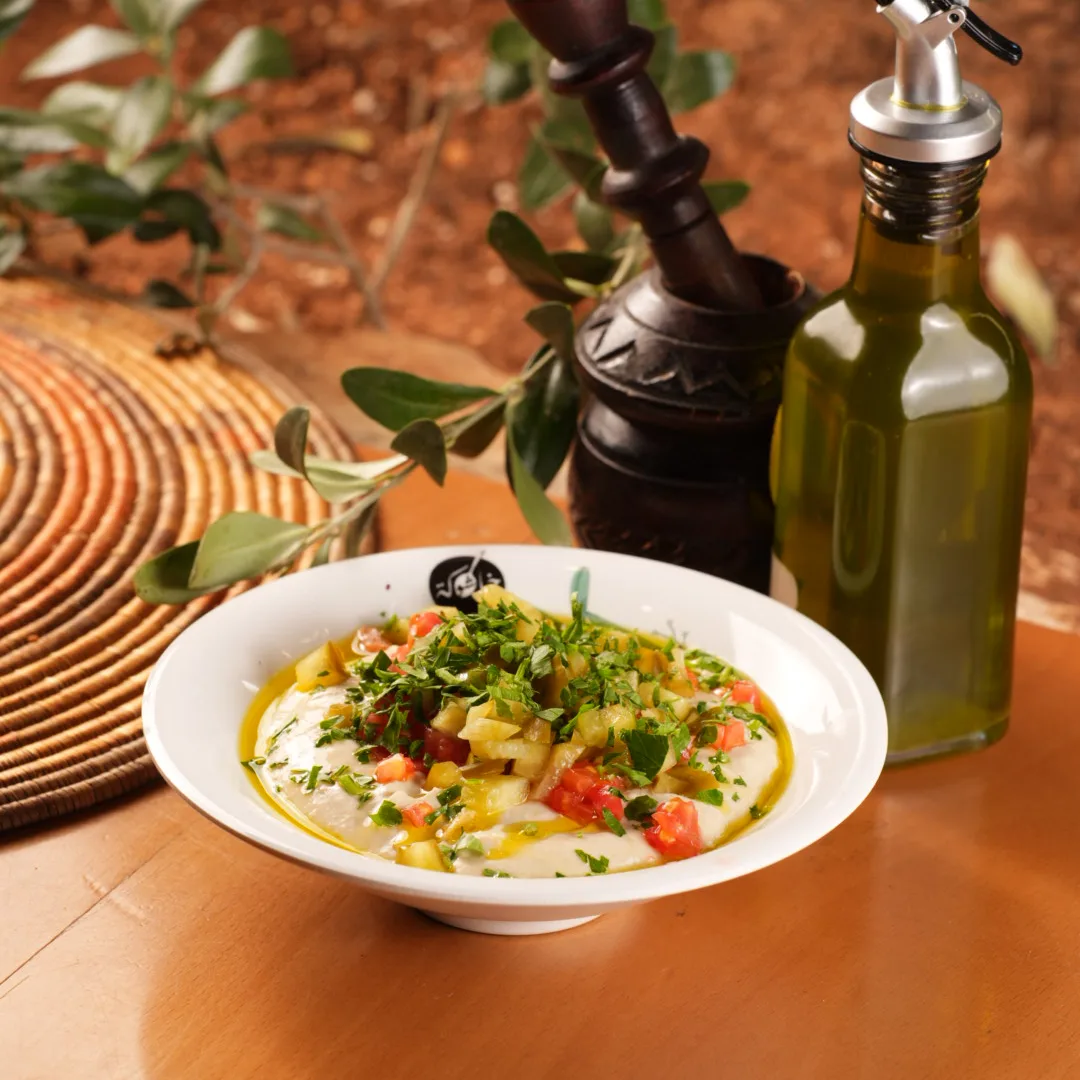
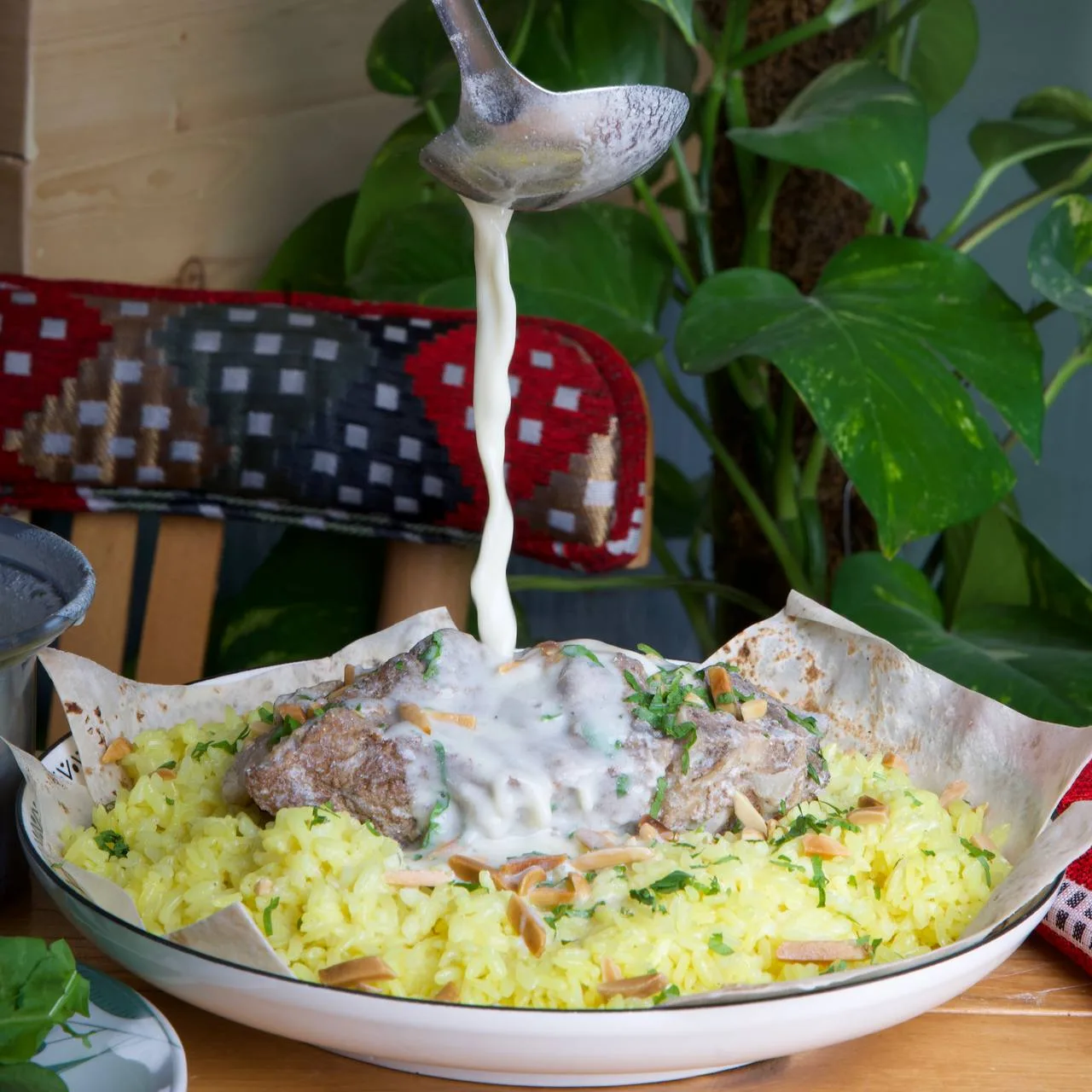
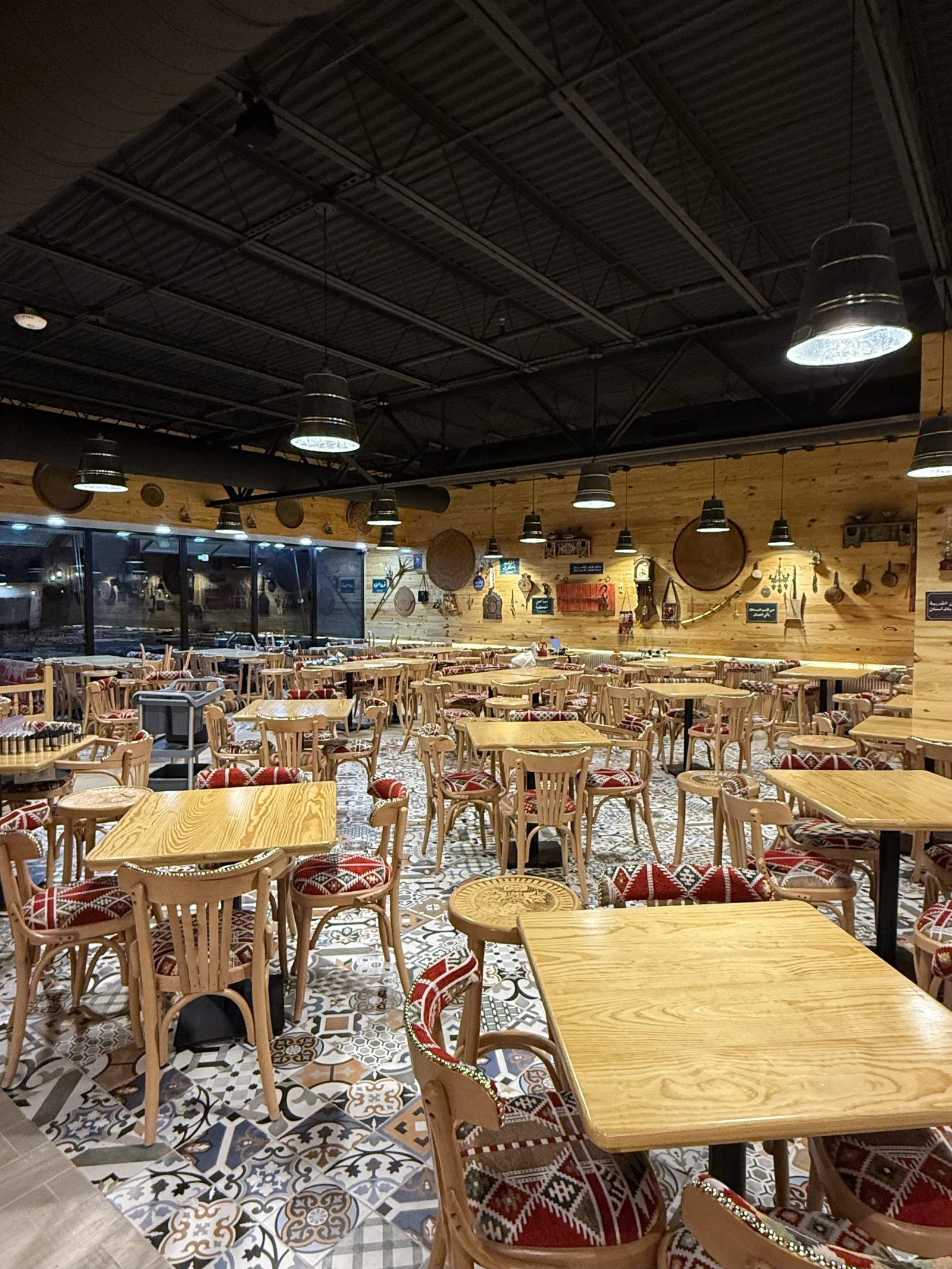
At Khashoka in Richardson, the name shows up in how the food is served. Platters come out for the table. The fatteh, the mansaf (منسف), the mezze, these are dishes built for sharing, not solo plates. The long meal, the slow gathering, the second round of bread: that's what the name points toward.
Straight from Amman's streets to your table. Come see what the spoon gathers. Find us at 1057 S Sherman St, Ste 130, Richardson, TX, or see the full menu before you arrive.
Frequently asked questions
What does Khashoka mean?
Khashoka (خاشوكة) is the everyday word for spoon used in Jordan, specifically the wide communal serving spoon. The word is Turkish-rooted, coming from kaşık. Jordan's national airline notes the name in its Amman dining coverage. Pronounced /kha·shoo·ka/, it names both the spoon and the philosophy behind the restaurant: a table where food is brought out for everyone to share.
How do you pronounce Khashoka?
Khashoka is pronounced /kha·shoo·ka/, three syllables. The first syllable starts with a soft kh sound, the second is a long 'shoo,' and the third is 'ka.' Once you know the word means spoon in everyday Jordanian usage, the pronunciation tends to stick.
What language is the word Khashoka from?
The word is Turkish-rooted, from kaşık, and passed into everyday Jordanian Arabic over time. It's not classical Arabic but the colloquial word Jordanians actually use. Royal Jordanian Airlines, the national carrier, describes it directly as 'a Turkish word meaning spoon' in their Amman dining coverage of the restaurant.
Why did Khashoka choose a spoon as the symbol for the restaurant?
The wide khashoka spoon is the vessel that moves food from the pot to the whole table. It stands for communal eating, the long shared meal, and Jordanian hospitality. As the founders explained to Scene Eats, the restaurant is an extension of that hospitality, a place where visitors are treated as family, not customers waiting for a plated dish.