What Is Halva? The Sesame-Paste Confection Explained
An introduction to halva, a dense sesame-paste confection, explaining how it is traditionally eaten with bread and tea on a Levantine breakfast table.
What is halva?
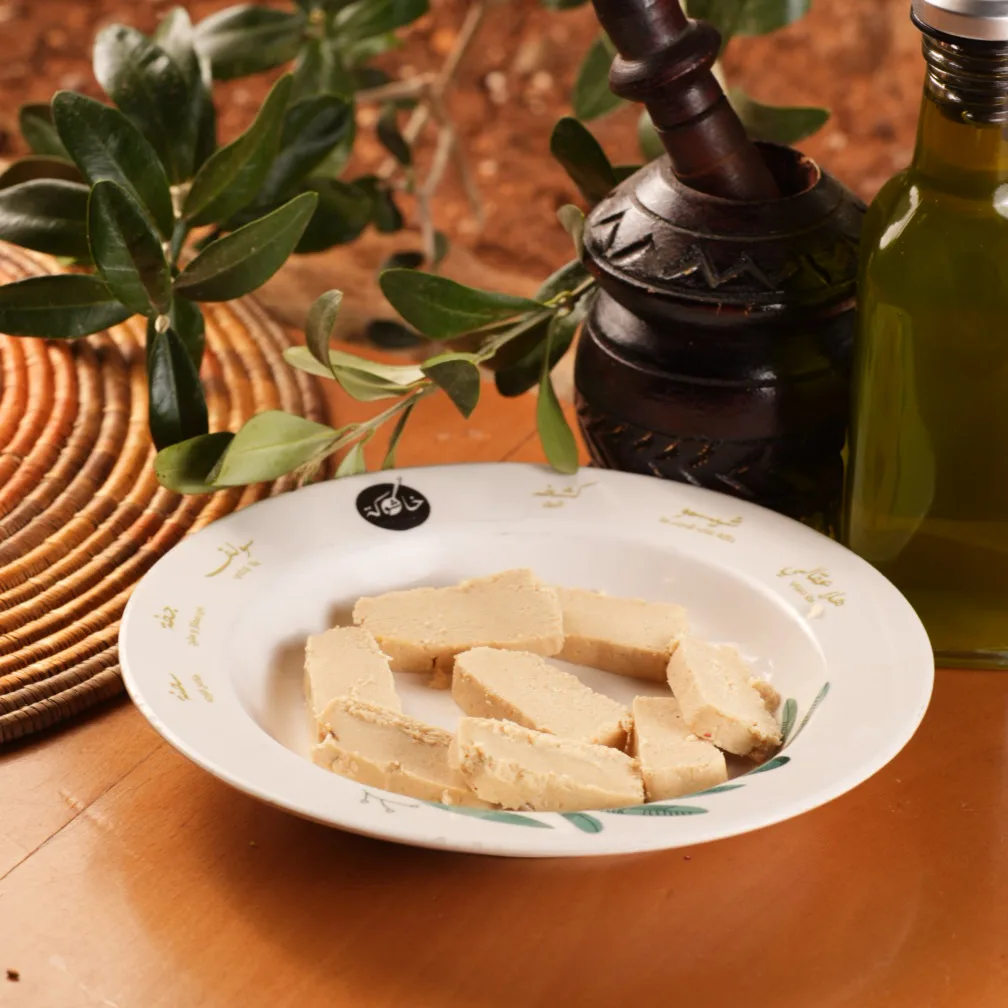
Halva is a dense, crumbly confection made primarily from tahini, which is ground sesame seed paste, sweetened with sugar or honey and stabilized with a touch of oil. Unlike flour-based fudges, sesame-paste halva has a distinctively delicate texture that flakes apart at the touch of a fork but melts smoothly on the tongue.
This sweet is a core pillar of the traditional Levantine morning table. In Amman, it is eaten both as a quiet family breakfast staple and a social cafe bite. When we look at how hospitality is shared back home, Jordan’s national carrier, Royal Jordanian Airlines, highlights these classic breakfast traditions as essential pieces of the local culinary identity.
How is halva eaten?
Halva is rarely eaten on its own as a solitary dessert. Instead, it is treated as part of a wider breakfast spread where sweet and savory elements balance each other. The classic way to eat it is to crumble a small block onto a piece of warm, freshly baked bread, allowing the gentle heat to release the natural oils of the sesame seeds.
A hot cup of black tea is the traditional partner, as the warmth of the tea cuts through the density of the sesame paste. On a properly set table, sweet halva sits right alongside savory anchors. You will often see it paired with a fragrant zaatar bread pairing, cool cucumbers, and salty cheeses, creating a complete sensory loop of sweet, salt, herb, and cream.
Halva at Khashoka
At our Richardson location, we serve plain halva for $5.00. It is a simple, unadorned presentation that honors the natural flavor of the sesame, available for dine-in or quick Tabit pickup. We keep the preparation straightforward because the quality of the sesame paste speaks for itself.
This dedication to raw ingredients is built into our entire kitchen. As reported by NBC DFW, about 90% of our spices, olive oil, and sesame sauce are imported directly from Jordan to maintain the integrity of our menu. To experience a true Jordanian morning spread, we recommend ordering the plain halva alongside our Molasses & Tahini pairing for $6.00, which offers a different, velvety take on the classic sesame flavor. Bring the family this weekend to sit down, tear some fresh bread, and share a traditional start to the day.
Frequently asked questions
What is halva made of?
Halva is primarily made of tahini, which is a paste of ground sesame seeds, mixed with boiled sugar syrup or honey. Some variations include flavorings like vanilla or cocoa, but the foundation is always the rich, oily paste of sesame seeds.
How do you eat halva?
Halva is best eaten sliced or crumbled onto warm flatbread. The heat of the bread softens the sesame oils, making it easy to spread. It is traditionally paired with hot tea to balance its dense, sweet richness.