What Is Sumac? The Lemony Spice Behind Jordanian Cold Plates
An introduction to sumac, its dried berry origins and tart flavor, and how it is used in Musakhan Rolls and Farmers Salad at Khashoka in Richardson.
What is sumac?
Sumac is a tart, lemony spice with a deep crimson hue, made by drying and coarsely grinding the small berries of the wild sumac shrub. Unlike lemon juice or vinegar, it provides a dry, fruity acidity that brightens a dish without changing its texture or adding unwanted liquid. This unique sour profile has made it a foundational element in Levantine and Jordanian cooking for centuries, serving as both a primary seasoning and a striking visual garnish.
According to culinary features by Royal Jordanian Airlines, the rustic flavors of traditional Jordanian kitchens rely heavily on these regional staples to establish their distinct taste profiles. Rather than relying on heavy sauces, countryside cooking uses sumac to cut through the richness of olive oil, roasted meats, and dense grains, acting as a natural balance on the palate.
Where does sumac appear on Khashoka's menu?
At our Richardson kitchen, sumac is not just an afterthought. We import about 90 percent of our spices and olive oil directly from Jordan to ensure the flavor matches what you would find on the streets of Amman. You can experience the brightness of this spice in two key dishes on our menu.
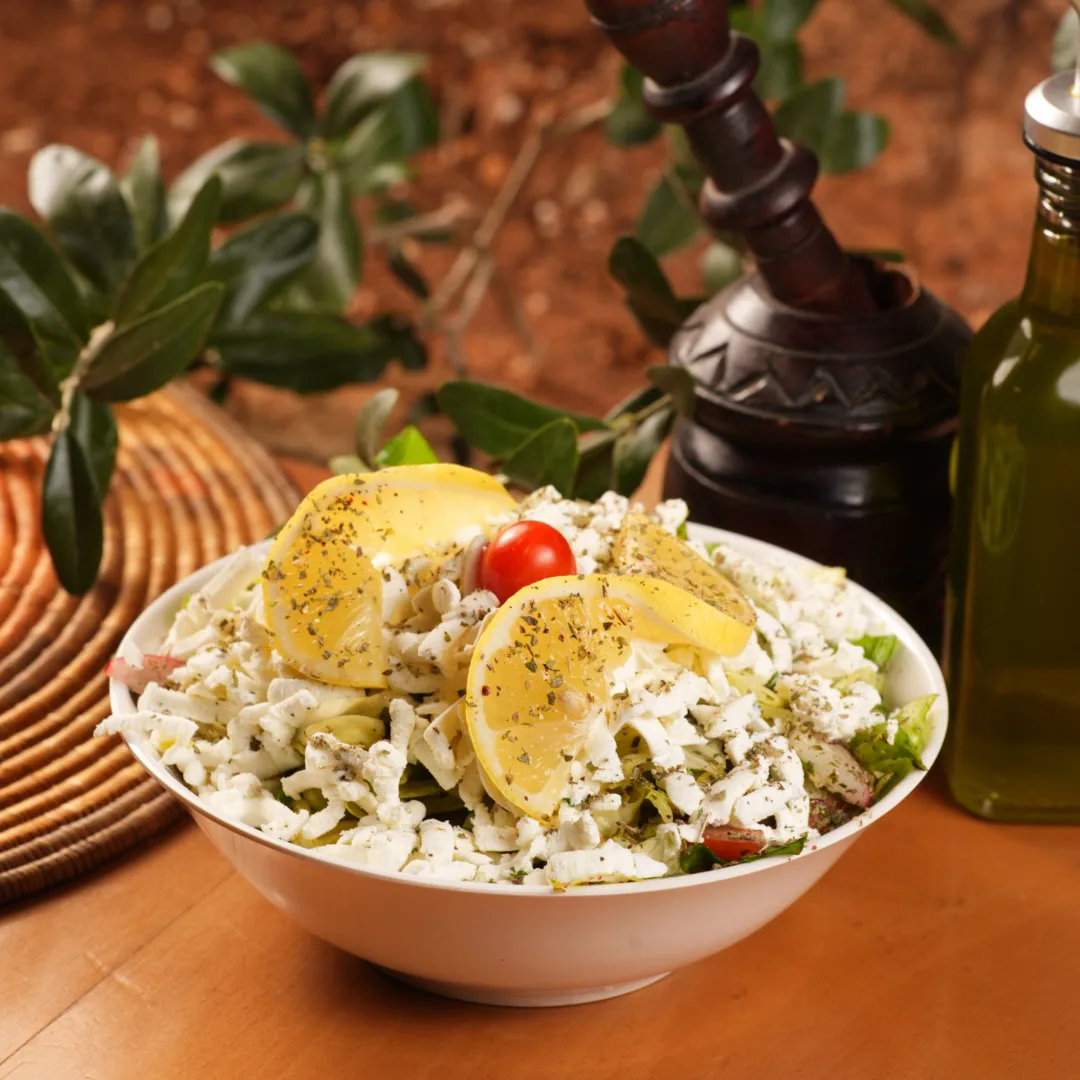
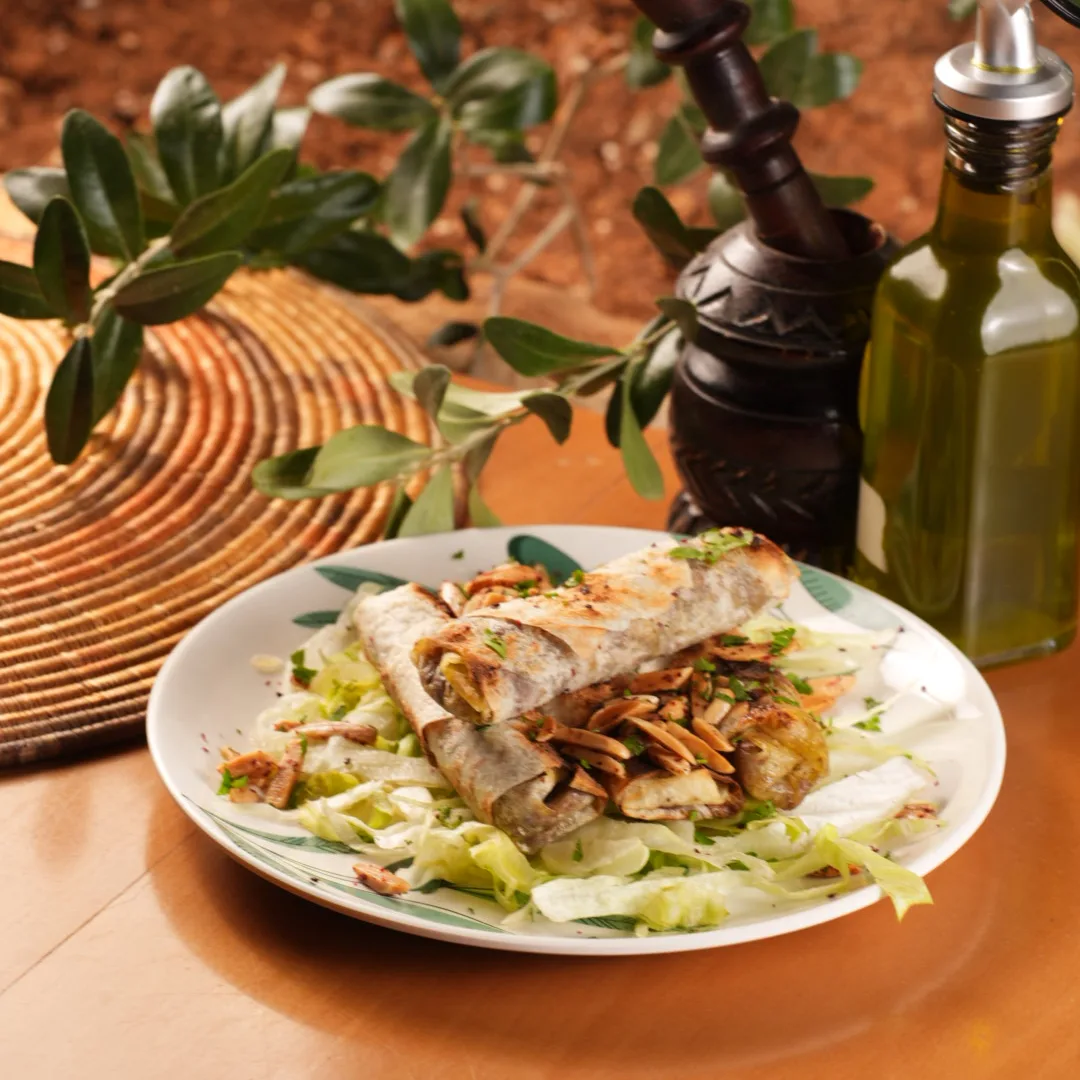
The first is our Musakhan Rolls ($14.00), where sumac acts as the central flavor driver. We slow-cook chicken with sweet onions, extra virgin olive oil, and a generous amount of sumac, wrapping the mixture in thin bread and baking it until crisp. The sumac stains the onions purple and infuses the chicken with a rich, tangy warmth. The second is our Farmers Salad ($9.00), a simple mix of fresh tomatoes and onions tossed with olive oil, lemon juice, and a heavy dusting of sumac that softens the bite of the raw onions.
How does sumac fit into a shared Jordanian table?
In Jordan, a meal is an invitation to slow down and share. Sumac acts as a quiet anchor across our cold plates, providing the acidic spark that makes simple ingredients stand out. When you are zaatar, another essential Levantine spice, or building a cold mezze table, sumac-heavy dishes offer a crucial counterpoint to creamy dips like labneh or warm, cheese-covered flatbreads.
Sumac vs. other souring agents: lemon and pomegranate molasses
While fresh lemon juice adds a sharp, immediate splash of liquid acidity, and pomegranate molasses contributes a thick, syrupy sweet-tart depth, sumac offers a completely dry, woody tartness. It stays exactly where you sprinkle it, letting you enjoy pockets of concentrated sourness alongside rich olive oil. Come visit us at 1057 S Sherman St, Richardson TX, and experience how this crimson berry shapes the flavor of a true Jordanian table.
Frequently asked questions
What does sumac taste like?
Sumac has a clean, sharp tartness that tastes remarkably like fresh lemon juice. Because it is a dry spice rather than a liquid, it delivers a bright acidity to dishes without adding moisture, making it ideal for dusting over warm flatbreads, olive-oil-drenched dips, or crisp red onions.
How is sumac used in cooking?
In Jordanian cooking, sumac is used both during the cooking process and as a finishing touch. It is rubbed into meats, layered into slow-cooked onion mixtures like the filling for Musakhan Rolls, or sprinkled raw over cold mezze and salads just before serving to add a final burst of sour, fruity contrast.