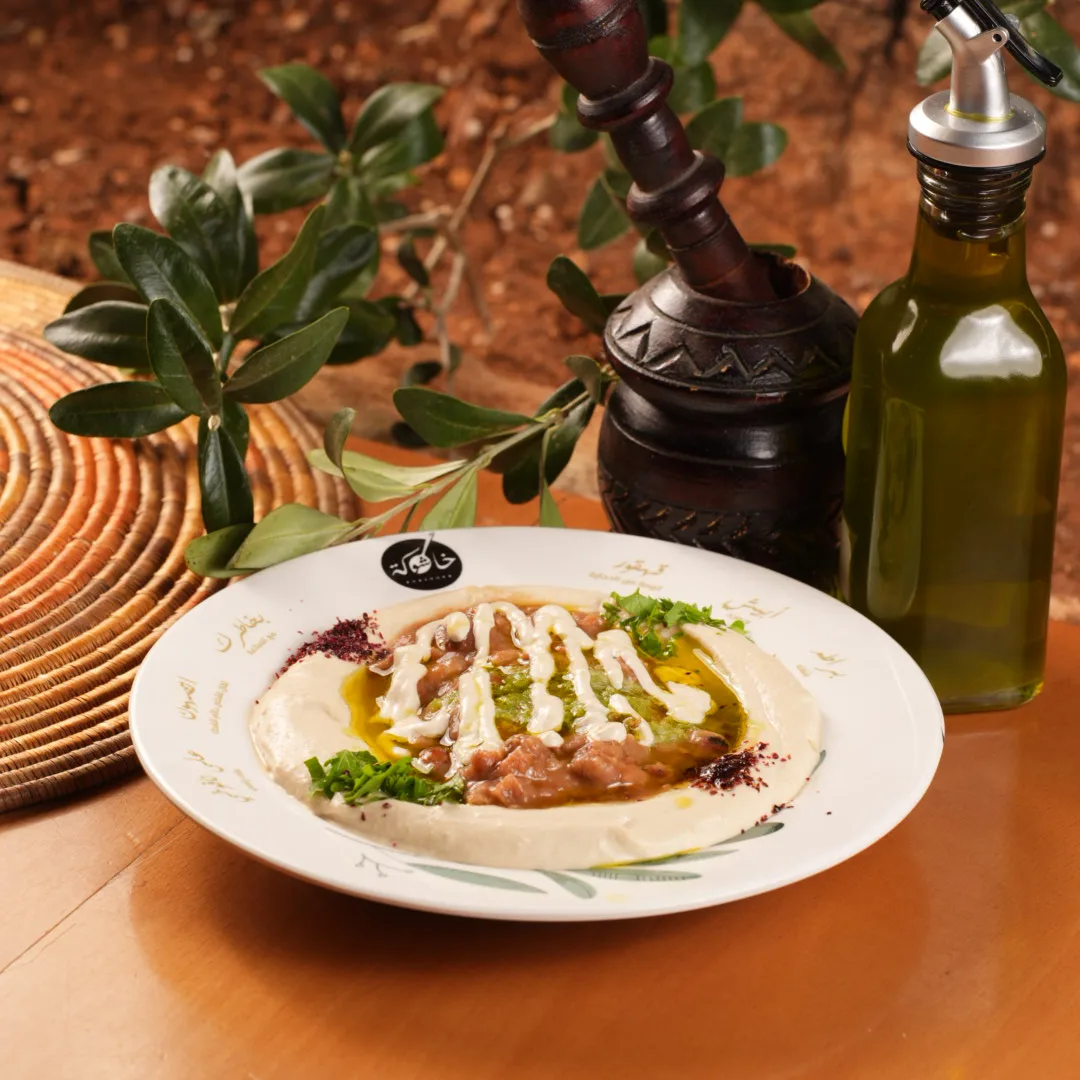
What Makes Jordanian Hummus Different?
An exploration of how Jordanian hummus differs from other regional versions through its high tahini ratio, ultra-creamy texture, and signature mix-ins.
Understanding the unique style of Jordanian hummus
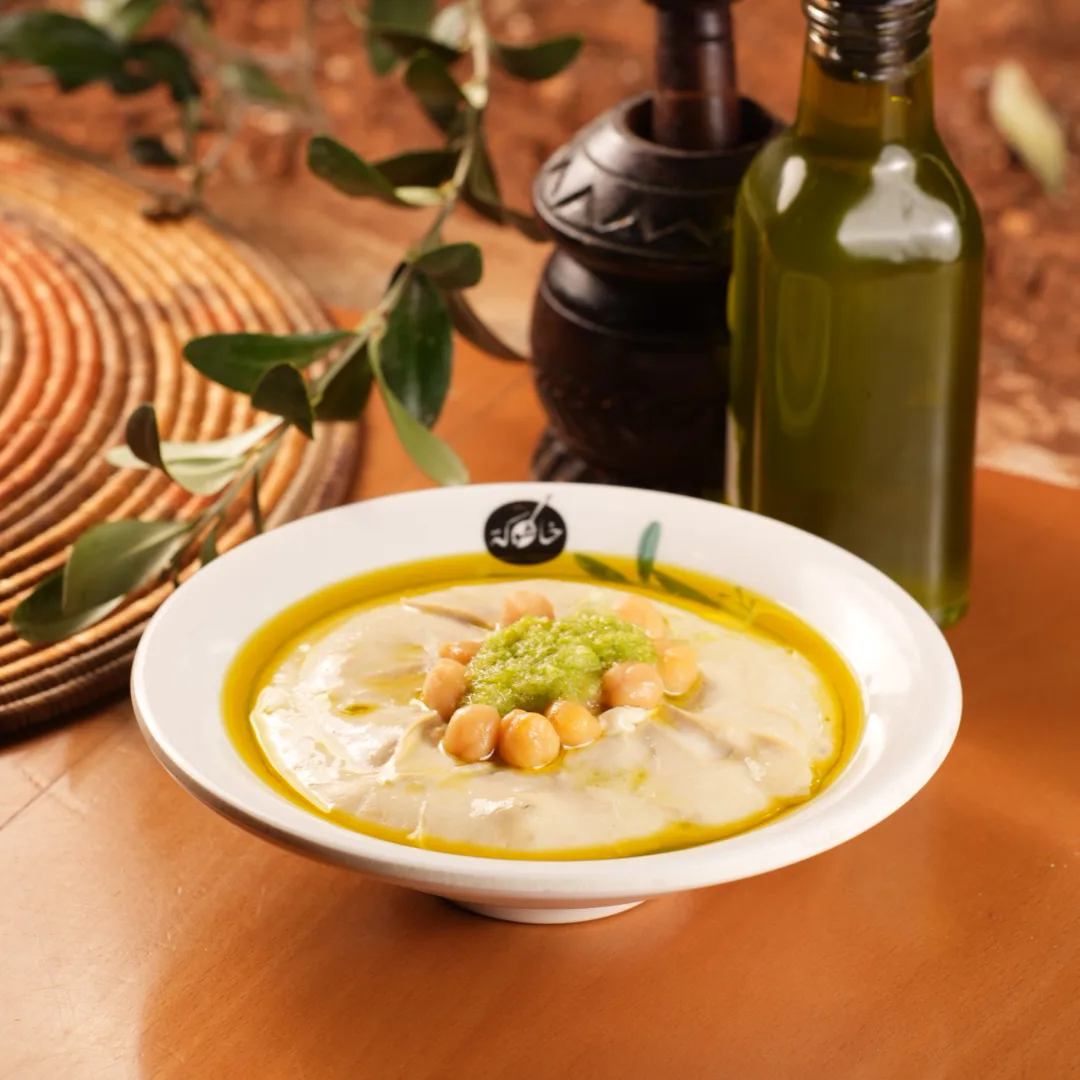
Jordanian hummus is characterized by an ultra-creamy, smooth texture, a generous tahini-to-chickpea ratio, and a rich finish of olive oil. Unlike versions from other parts of the Mediterranean that may have a grainier consistency or lean heavily on lemon and garlic, the Jordanian style treats hummus as a silky, sesame-forward canvas. This culinary approach often incorporates a lively culture of warm and cold mix-ins, transforming the dish from a simple dipping starter into a hearty, communal centerpiece for the table.
When you sit down to a meal in Amman, hummus is never treated as a mere afterthought. This deep culinary pride is why Jordan's national airline features Khashoka among its Amman dining picks, highlighting the rustic traditions that we bring directly to our kitchen in Richardson. At Khashoka, we showcase this tradition through our plain Hummus for $8, which highlights the smooth baseline of the dish, and our signature Hummus Khashoka for $8, which introduces traditional local upgrades.
The texture difference: why Jordanian hummus is creamy
The defining physical characteristic of Jordanian hummus is its velvet-like smoothness. Many regional variations across the Middle East retain a slightly coarse, rustic grain, but a proper Jordanian preparation demands that the chickpeas are simmered until incredibly soft and then blended thoroughly. The goal is a light, emulsified consistency that holds its shape on a spoon but melts easily when scooped with a piece of warm bread.
To achieve this specific texture at Khashoka, It requires patience and a home-made process that respects the natural starches of the chickpea. This dedication to texture is a key reason why we focus so heavily on the details of our kitchen preparation. For those building a traditional breakfast spread, pairing this creamy texture with home-made falafel creates the perfect contrast between a crisp exterior and a smooth dip.
The tahini-to-chickpea ratio
In Jordan, tahini is not a background note. The ratio of sesame paste to chickpeas is considerably higher than in Western or other Mediterranean recipes, where garlic or lemon juice often take the lead. This generous use of tahini gives the hummus a pale cream color and a deep, nutty flavor profile that lingers on the palate.
Using a high volume of tahini means the quality of the sesame paste must be exceptional, as there is nowhere for a lesser ingredient to hide. Our kitchen works closely with imported ingredients to keep these flavor profiles true to their origin. As owner Muhammad Albakri told FOX 4, we import almost everything from Jordan to maintain the distinct, traditional flavors of our food. This dedication ensures that the sesame base and the rich olive oil finishing pour taste exactly as they would in Amman. For those who appreciate these traditional imports, the savory warmth of the tahini pairs naturally with the aromatic notes of zaatar and olive oil served alongside.
The add-in culture: meat, vegetables, and the mix-in move
In Jordanian cuisine, a bowl of plain hummus is often just the beginning of the story. The smooth, nutty base serves as an invitation for toppings that add temperature, texture, and acidity contrast. At Khashoka, we celebrate this tradition by offering different ways to experience the dish:
| Dish Name | Key Ingredients & Details | Price |
|---|---|---|
| Plain Hummus | Home-made hummus with specialty tahini | $8.00 |
| Hummus Khashoka | Our signature version folded with chopped tomatoes, pickles, and parsley | $8.00 |
| Hummus with Beef | Creamy home-made hummus topped with warm, seasoned beef | $13.00 |
This menu structure shows the progression from a simple baseline to a fully dressed main. Our signature Hummus Khashoka folds chopped tomatoes, pickles, and parsley directly into the bowl. The pickles add a sharp, salty crunch, while the fresh tomatoes provide a bright acidity that cuts right through the rich tahini. If you want something even more substantial, the warm, savory meat of our Hummus with Beef for $13 anchors the table as a main plate. This variety reflects Khashoka's philosophy of shared eating, where multiple bowls are passed around for everyone to share.
How to order and experience it at Khashoka
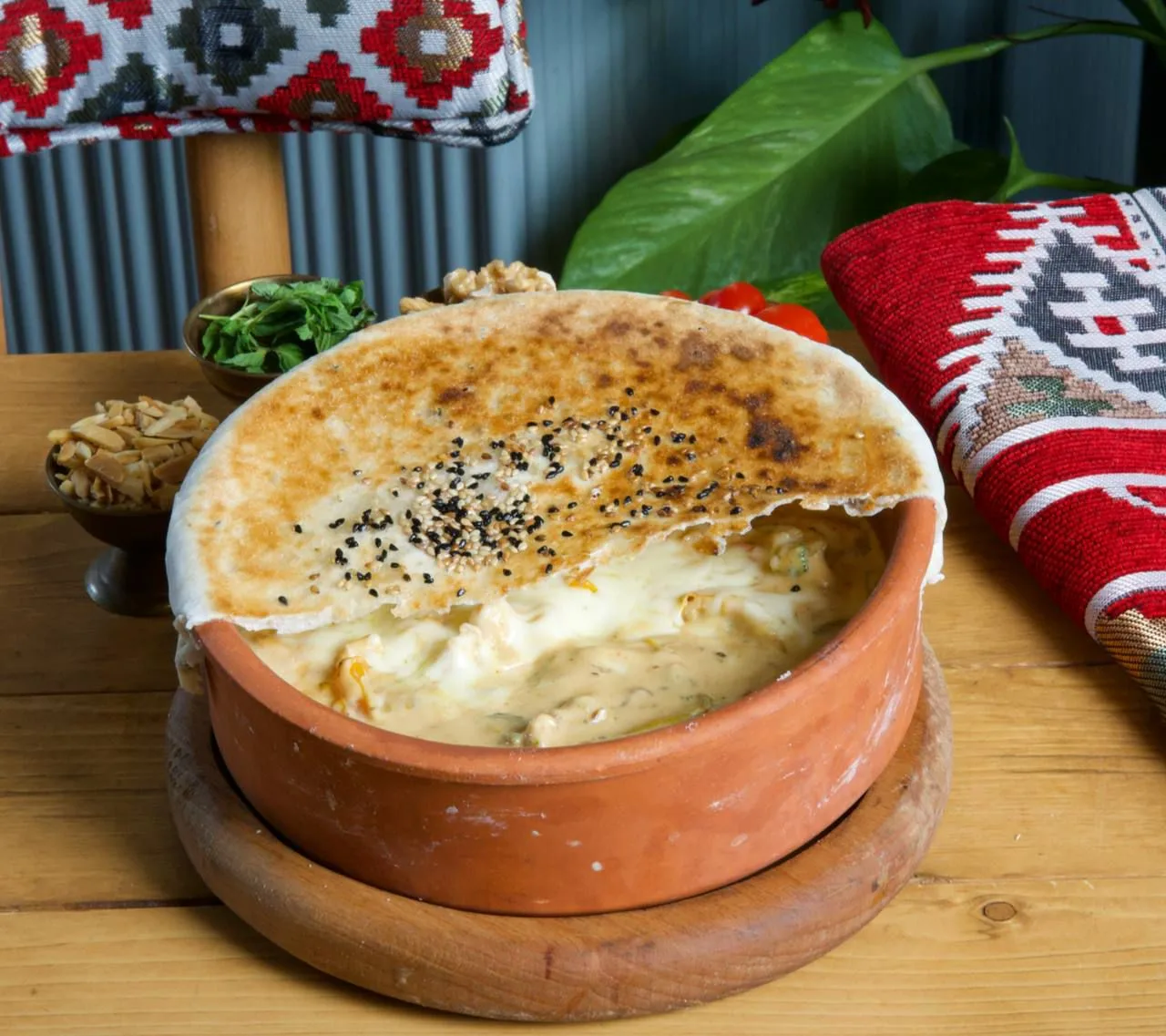
The best way to enjoy Jordanian hummus is to treat it as part of a larger, communal spread. Scoop it with the warm lavash bread that comes fresh from the oven, and pair it with both cold and warm mezze pans. We invite you to join us at 1057 S Sherman St in Al Ameera Plaza to experience a true Jordanian table.
We are open Sunday through Thursday from 9AM to 10PM, and Friday through Saturday from 9AM to 11PM. If you want to enjoy our dishes at home, you can easily place a pickup order. For any questions about our ingredients or space, you can always reach us directly by phone.
See the menu · Call (469) 277-7477
Frequently asked questions
How does the tahini ratio affect the flavor of Jordanian hummus?
Jordanian kitchens use a generous proportion of tahini relative to chickpeas. This sesame-forward approach results in a deep, nutty richness and a silky texture. Rather than relying on garlic or lemon juice to dominate the flavor profile, Jordanian hummus lets the savory quality of the sesame paste lead.
What is the difference between plain hummus and Hummus Khashoka?
Plain hummus serves as a smooth, velvet baseline finished with olive oil. Hummus Khashoka is our signature version that folds chopped tomatoes, pickles, and parsley directly into that creamy base. This add-in style is a traditional way to turn a simple dip into a bright, textured main component of a table spread.